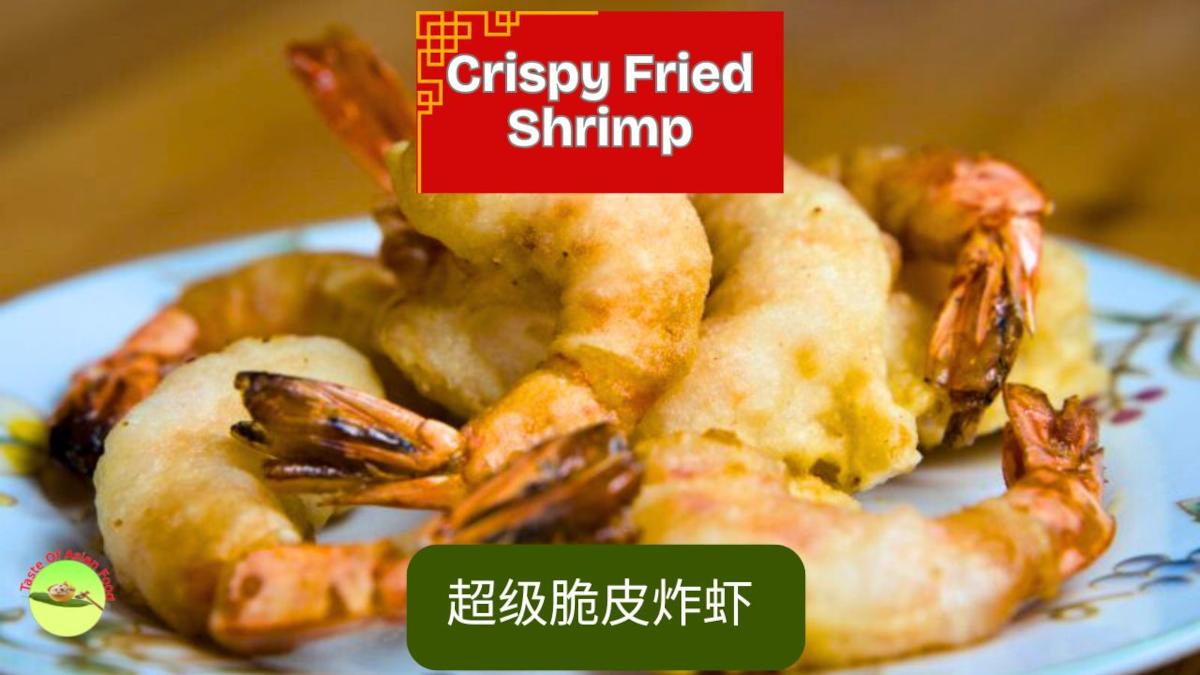
Master the Crunch: Easy Steps to Perfectly Crispy Fried Shrimp
There's something undeniably satisfying about a perfectly cooked piece of fried shrimp – that initial *crunch* followed by the tender, juicy sweetness of the shrimp inside. It's a culinary experience that transports you to seaside restaurants and celebratory gatherings. But what if we told you that achieving restaurant-quality, perfectly crispy fried shrimp is entirely possible in your own kitchen? Forget mediocre takeout; with the right techniques and a reliable fried shrimp recipe, you can elevate your seafood game and impress everyone at your table. This comprehensive guide will walk you through every essential step, from selecting your shrimp to mastering the fry, ensuring your homemade crispy fried shrimp is nothing short of spectacular.The Foundation of Flavor: Choosing and Prepping Your Shrimp
The journey to an impeccable fried shrimp recipe begins long before the hot oil hits the pan. It starts with the shrimp itself.Selecting the Best Shrimp
- Size Matters: For fried shrimp, large (21-25 count per pound) or jumbo (16-20 count) shrimp are ideal. Their substantial size prevents them from overcooking too quickly and offers a satisfying bite.
- Fresh vs. Frozen: While fresh, never-frozen shrimp is often lauded, high-quality frozen shrimp (especially Individually Quick Frozen or IQF) can be an excellent, often more accessible, choice. Just ensure they are properly thawed overnight in the refrigerator before use. Avoid pre-cooked shrimp; they will become rubbery when fried.
- Peeled and Deveined: For convenience, you can purchase shrimp already peeled and deveined. If buying whole, you'll need to do this yourself. Peel the shell, leaving the tail on for a natural "handle" if desired. Then, make a shallow incision along the back and remove the dark vein. This step is crucial for both aesthetics and taste.
The Buttermilk Soak: Your Secret to Tenderness
One of the most valuable secrets to juicy, tender fried shrimp is a buttermilk soak. The mild acidity in buttermilk helps to tenderize the shrimp while also providing a sticky surface for your breading to adhere to.For most recipes, a 15-30 minute soak is sufficient. Simply place your peeled and deveined shrimp in a bowl, cover with buttermilk, and refrigerate. Don't skip this step – it makes a noticeable difference in the final texture and moistness of your fried shrimp.
Crafting the Perfect Coating: Beyond Basic Flour
The crispy, golden crust is what defines a truly great fried shrimp. Moving beyond a simple flour dredge is key to achieving that irresistible crunch.The Classic Southern Dredge
A traditional Southern fried shrimp recipe often combines all-purpose flour with cornmeal. This blend offers a distinct texture and flavor profile:- All-Purpose Flour: Provides the foundational structure for the coating.
- Cornmeal: Adds a delightful grit and extra crispiness that is characteristic of Southern frying. For an even finer texture, you can opt for finely ground cornmeal.
Seasoning is paramount here. Don't just rely on salt and pepper. Incorporate a blend of spices directly into your dry mixture:
- Paprika: Adds a warm color and subtle sweetness.
- Garlic Powder & Onion Powder: Essential for a savory depth of flavor.
- Salt & Black Pepper: Non-negotiable for enhancing all other flavors.
Exploring Alternatives and Enhancements
While the flour-cornmeal blend is fantastic, you have options:- Panko Breadcrumbs: For an exceptionally airy and ultra-crispy crust, many chefs swear by panko breadcrumbs. These Japanese breadcrumbs are flakier and absorb less oil, resulting in a lighter, crunchier bite. You can use them in conjunction with flour or as the primary coating.
- Double Dredging for Extra Crunch: For the ultimate crispy fried shrimp, consider double dredging. After soaking in buttermilk, dredge the shrimp in your dry mixture, then dip it back into buttermilk (allowing excess to drip off), and finally, dredge it a second time in the dry mixture. This creates a thicker, more robust crust that locks in moisture and delivers an intense crunch.
- Cajun Kick: For those who love a bit of heat, substituting some of the standard spices with a good quality Cajun seasoning blend can transform your classic fried shrimp into a fiery delight. This is a fantastic way to customize your Restaurant-Quality Fried Shrimp: Classic, Cajun & More Recipes.
The Art of Frying: Temperature, Technique, and Timing
Frying might seem intimidating, but understanding a few key principles will make you a master.Optimal Oil Temperature
The most critical factor in achieving crispy fried shrimp is maintaining the correct oil temperature.- Target Temperature: Aim for 375°F (190°C). Use a deep-fry thermometer to monitor this accurately.
- Too Low: If the oil isn't hot enough, your shrimp will absorb too much oil, resulting in a greasy, soggy coating.
- Too High: If the oil is too hot, the coating will brown too quickly on the outside while the shrimp inside remains undercooked or tough.
Oil Choice: Vegetable oil is a great, neutral-flavored choice for frying. Other good options include canola oil, peanut oil, or sunflower oil, all of which have high smoke points suitable for deep frying.
Frying in Batches and Timing
To ensure even cooking and maintain oil temperature:- Don't Overcrowd the Pot: Fry shrimp in small batches. Overcrowding will drastically drop the oil temperature, leading to greasy results.
- Cook Time: Fried shrimp cooks remarkably fast! Typically, 2-3 minutes per batch is all you need. The shrimp will turn opaque and pink, and the coating will be a beautiful golden brown and crispy. Overcooked shrimp becomes rubbery and tough, so keep a close eye on them.
Once cooked, use a slotted spoon or spider to transfer the shrimp to a paper towel-lined plate to drain any excess oil. For further expert guidance and troubleshooting, you might want to check out an article on Unlock Crispy, Juicy Fried Shrimp: Expert Tips & Tricks for Home.
Keeping Warm Between Batches
If you're frying multiple batches for a crowd, keep the cooked shrimp warm by placing them on a wire rack set over a baking sheet in a 200°F (95°C) oven. This helps maintain crispness without continuing to cook the shrimp.Serving Suggestions and Expert Tips for Success
Your perfectly crispy fried shrimp are ready – now for the grand finale!Dipping Delights
No fried shrimp experience is complete without the perfect dipping sauce.- Classic Cocktail Sauce: Always a winner.
- Spicy Mayo or Aioli: A blend of mayonnaise, sriracha, and a squeeze of lime offers a creamy, tangy kick.
- Remoulade Sauce: A Louisiana staple, this zesty, mayonnaise-based sauce is fantastic with fried seafood.
- Tartar Sauce: Simple, tangy, and always a crowd-pleaser.
- Garlic Butter: For a rich, savory experience, melt some butter with minced garlic and a touch of parsley.
Accompaniments and Presentation
Fried shrimp is versatile enough to be served as an appetizer, a main course, or even a component of a larger dish:- Appetizer: Arrange them artfully on a platter with various dipping sauces.
- Main Course: Serve alongside a fresh green salad, coleslaw, French fries, or a medley of roasted vegetables.
- Sandwich: Stack them high on a soft slider bun with a swipe of remoulade for a delicious shrimp po'boy.
Final Expert Tips
- Don't Rush the Dredge: Ensure each shrimp is fully coated with the dry mixture for maximum crispiness.
- Ventilation: Frying can produce a lot of smoke and odors. Ensure good kitchen ventilation by turning on your exhaust fan and opening a window if possible.
- Oil Safety: Always be cautious when working with hot oil. Never leave it unattended, and keep a lid nearby in case of flare-ups.
- Reusing Oil: If strained properly, frying oil can often be reused a few times, especially for similar items. Store cooled oil in an airtight container in a cool, dark place.
